Critical Features to Look for in Today's Home Security Products
In terms of modern home security systems, identifying what features to focus on can make a substantial difference in your safety. You'll want to evaluate elements like real-time monitoring, smart surveillance cameras, and app integration. Each of these elements serves a vital role in building a robust security system. But how do you identify which features are genuinely essential for your residence? We'll discuss the key aspects that can boost your security setup.
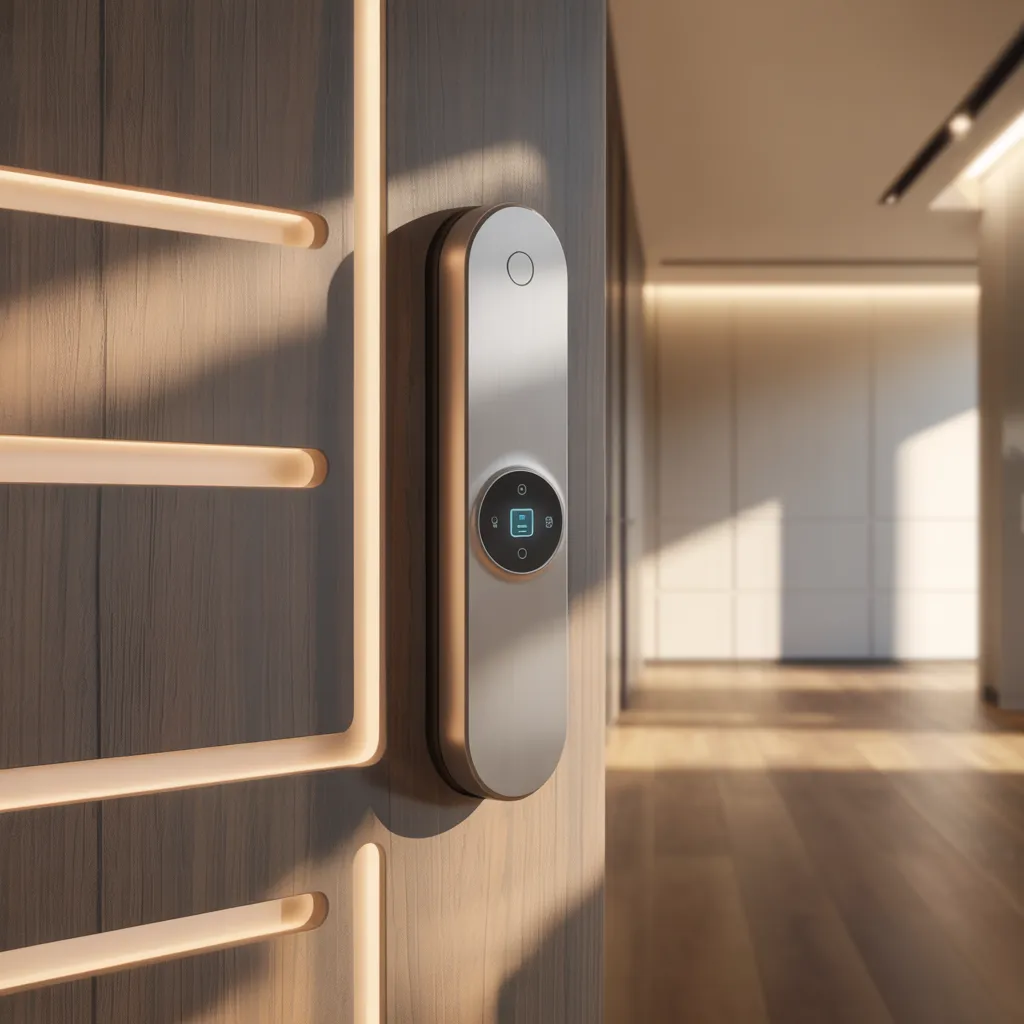
The Essential Role of Smart Surveillance Cameras
Given the ongoing rise in crime rates, acquiring smart surveillance cameras has never been more crucial for your home's security. These modern systems deliver real-time monitoring, allowing you to keep an eye on your property from anywhere using your smartphone. You'll love features like motion detection and alerts, which help you respond quickly to potential threats. Night vision capabilities guarantee you're always aware, even in low-light conditions. Plus, many cameras offer cloud storage options, so you can easily review footage when needed. With two-way audio, you can speak to visitors or deter intruders. Overall, smart surveillance cameras boost your peace of mind, making them a essential component of your home security strategy. Don't wait—safeguard your home today!
Wired Against Wireless Home Security Systems: Which Is Superior?
Choosing between wired and wireless home security systems can feel overwhelming, especially with the array of options available today. Wired systems often provide more reliable connections and may be less vulnerable to interference. They're great for larger homes where consistent signal strength is vital. However, installation can be intricate and invasive, requiring professional support.
Conversely, wireless systems are generally easier to install and can be more flexible in terms of placement. They're excellent for renters or those who prefer a DIY approach. However, keep in mind that they might depend on batteries, which demand regular maintenance. Ultimately, the best choice depends on your individual needs, budget, and installation preferences.
Why Security Depends on Mobile App Integration
In today's fast-paced world, possessing mobile app integration for your home security system can greatly enhance your peace of mind. With just a couple of clicks on your smartphone, you can monitor your home from wherever you are, whenever you want. You'll receive real-time alerts if something unusual occurs, allowing you to take immediate action if needed.
Mobile apps also let you control various security features, such as locking doors or adjusting cameras, all from the palm of your hand. This practicality means you don't have to rush home if you accidentally left a door ajar. Plus, many apps provide user-friendly interfaces, making it straightforward for anyone in your household to remain updated on your home's security status.
Important Features to Seek in Alarm Systems and Monitoring Services
When enhancing your home security, choosing the right alarm system and monitoring service can make all the difference. Look for systems that offer 24/7 professional monitoring, ensuring there's constant surveillance of your home. Consider features like mobile app integration, letting you to control and monitor your system remotely. A reliable alarm system should include a mix of entry sensors, motion detectors, and glass break sensors for comprehensive coverage. Furthermore, go with systems with a backup battery to keep your security active during power outages. It's also advisable to check for easy installation options and real-time alerts, so you stay updated on any suspicious activity. Focus on systems that fit your lifestyle and provide peace of mind.
Ways to Use Motion Sensors and Alerts the Right Way
What steps can you take to maximize the effectiveness of motion sensors and alerts in your residential security system? Start by positioning sensors in critical locations, such as entry points and hallways, to monitor high-risk areas. Configure the sensitivity options to reduce false notifications from pets or passing vehicles. Perform regular sensor checks to confirm proper operation and apply firmware updates as necessary.
Utilize alerts strategically; configure notifications to distinguish between minor disturbances and genuine threats. Think about setting up geofencing, so you obtain alerts when you're away. Finally, link your system with a mobile app for real-time monitoring, permitting you to respond promptly to any unusual activity. By adhering to these steps, you can strengthen your home security and preserve peace of mind.
Integrating Home Automation With Your Security System
Incorporating home automation with your security system not only boosts safety but also simplifies your daily routines. Imagine being able to lock your doors, adjust your thermostat, and turn on outdoor lights all from your smartphone. By connecting your security cameras and alarms to your smart home network, you can obtain real-time alerts and monitor your home from anywhere. Set schedules for lights to mimic your presence, preventing potential intruders. When your security system identifies unusual activity, it can trigger other automated actions, like notifying you or locking windows. This integration provides a seamless experience, enabling you to manage your home efficiently while ensuring it remains secure. Embrace this technology for peace of mind and convenience.
Creating a Budget for Home Security
As you budget for home security, it's vital to analyze your specific security needs first. This will enable you to find affordable solutions that align with your lifestyle and budget. By concentrating on what matters most, you can establish a solid security plan without straining your finances.
Evaluating Your Security Necessities
Which considerations are important as you plan your home security budget? To start, examine the dimensions of your home and the number of entry points that necessitate protection. Contemplate the level of security you need—do you need basic monitoring, or are advanced features like smart home integration essential to you? Additionally, consider your community's crime rate; increased danger may require a more extensive system. Consider installation costs, monthly monitoring fees, and potential upgrades. In conclusion, make certain to compare warranties and customer support options. By evaluating these components, you can create a budget that matches your security goals while ensuring you get the optimal value for your investment.
Affordable Solutions Within Reach
Once you've evaluated your security needs and budget, searching for cost-effective solutions becomes a priority. You don't have to break the bank to secure your home. Begin with DIY security systems, which often come at a fraction of the cost of professional installations. Explore smart devices like doorbell cameras and motion sensors that you can easily install yourself. Enrolling in a monitoring service can also be budget-friendly; many offer options tailored to different needs. Don't forget to explore discounts or packages that combine multiple services. Ultimately, investing in good locks and outdoor lighting can enhance security without a hefty price tag. By being strategic, you can effectively protect your home without overspending.
Popular Questions
What Are Some Budget-Friendly Ways to Enhance My Home's Security?
You can strengthen your home's security by installing cost-effective motion sensors, using smart lighting, reinforcing doors and windows, purchasing a simple security camera system, and engaging with a neighborhood watch program to boost community safety.
What Are the Leading Trends in Home Security Technology?
You will find that smart cameras, video doorbells, and home automation systems are popular in home security. These technologies provide remote monitoring, real-time alerts, and integration with other smart devices, elevating your home's safety without hassle.
How Frequently Do I Need to Update My Home Security System?
Make sure to update your Georgia-Florida Security & Fire home security system every couple of years, especially when new technology emerges. Check regularly for software updates and think about upgrading components to guarantee you're protected against new threats and vulnerabilities. Remain proactive!
Can I Integrate My Existing Security Equipment With New Systems?
Your existing security devices can often be integrated with new systems. Check compatibility with the new solution, and think about using smart hubs or applications that are compatible with various brands to streamline your home security setup.
What Should I Do if My Security System Malfunctions?
When your security system experiences issues, start by examining the electrical connections and power supply. Then, reset the system or consult the user manual. If issues persist, get in touch with customer support to resolve the issue.